

Apricot kernel oil is a vegetable oil produced by mechanically extracting the oil found inside the apricot kernel. Its suitability for various applications, from cosmetics to personal care formulations, makes it an attractive option for commercial production. For businesses, not only the raw materials used but also the preparation of the kernels, pressing conditions, and the characteristics of the production equipment are important in the apricot kernel oil production process. The cold-press method, in particular, offers a production method based on mechanically pressing the raw material without subjecting it to intense heat treatments.
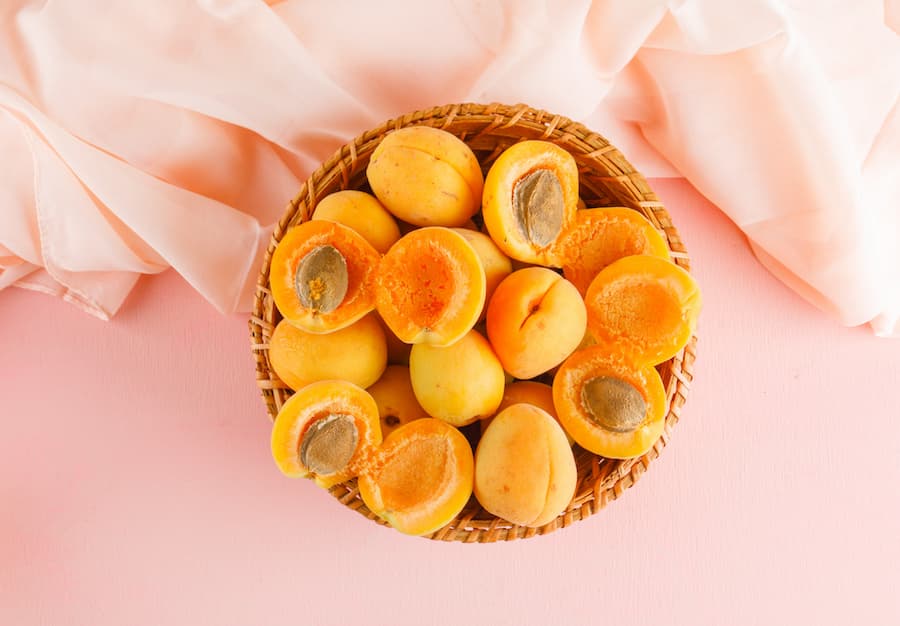
The apricot kernel oil production process begins with the preparation and pressing of apricot kernels. First, the kernels are separated from foreign matter, cleaned, and made suitable for oil extraction. The prepared kernels are then transferred to a pressing machine. In the cold press method, the oil is extracted from the kernels by applying mechanical pressure, and high temperatures are avoided during the process. The resulting oil is filtered to remove solid particles and is then ready for use or packaging.
Before apricot kernel oil extraction, it is important that the kernels are clean, have the appropriate moisture level, and are free of foreign matter. In commercial production, regular raw material checks contribute to more consistent results between different production batches. Storage conditions are also important to ensure the kernels maintain their properties before being used in production.
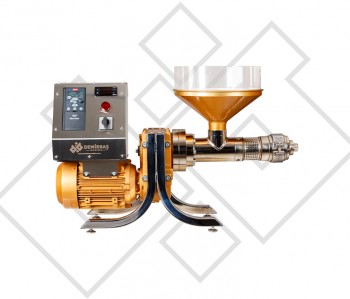
The prepared kernels are transferred to a suitable oil pressing machine. During apricot kernel oil pressing, mechanical pressure is applied to separate the oil from the kernel. At this step, the machine's capacity and operating conditions must be compatible with the raw material used.
Apricot kernel oil is a plant-based oil valued in cosmetics, personal care, and various product formulations due to its natural fatty acid and vitamin E content. Its light texture and ease of application make it a popular ingredient in skin and hair care products. It can help keep skin feeling moisturized and soft, and in hair care, it helps hair strands look healthier. Manufacturers also use apricot kernel oil in the production of soaps, creams, lotions, and massage oils.
Cold pressing is a method in the apricot kernel oil extraction process that relies on mechanical processing of the raw material. This method is preferred to limit the use of high temperatures when extracting oil from the kernels. In this method, the oil is extracted by applying mechanical pressure to the kernels. Controlled temperature conditions help to preserve the natural structure, characteristics, and components of the oil as much as possible.
Cold pressing does not require solvents or similar chemicals. Therefore, it is one of the most natural methods for extracting oil. Therefore, cold pressing is the most preferred method for businesses that want to produce natural apricot kernel oil.
Apricot kernel oil production primarily requires equipment suitable for the kernel preparation, pressing, and filtration stages. The production line utilizes cleaning equipment to help separate foreign matter from the kernels. For oil extraction, an oil press machine suitable for the production capacity is essential equipment. Producers use presses that can perform mechanical pressing while maintaining controlled temperature in cold-press production. After pressing, filtration equipment is used to remove solid particles from the oil. Furthermore, businesses need suitable storage tanks for temporary storage of the oil and packaging equipment.
What is apricot kernel oil used for?
Businesses use apricot kernel oil in cosmetics, personal care, soaps, and various oil-based formulations.
Is apricot kernel oil suitable for cosmetic products?
Apricot kernel oil is one of the vegetable oils suitable for various cosmetic formulations.
What is the difference between sweet and bitter apricot kernels?
The main difference between sweet and bitter apricot kernels lies in their taste, chemical composition, and intended uses. Sweet apricot kernels have a softer, almond-like taste, while bitter kernels are distinctly sharp and bitter. Bitter apricot kernels generally contain higher amounts of amygdalin compared to sweet varieties.
How does apricot kernel quality affect the final oil?
The quality of apricot kernels can directly affect the characteristics of the resulting oil and the production efficiency. Clean, properly dried kernels stored under good conditions are essential for producing more consistent apricot kernel oil.
How should apricot kernel oil be stored?
Apricot kernel oil should be stored in a cool, dry place away from direct sunlight to maintain its quality. Producers and sellers should prefer dark-colored, airtight containers, as prolonged exposure to light, heat, and air can accelerate the oil's oxidation. Consumers should tightly close the container after each use and avoid exposing the oil to high temperature fluctuations. Proper storage conditions help preserve the oil's characteristic odor, color, and overall quality for longer.
How can businesses produce different types of seed oils with cold pressing?
Businesses can increase their product variety by using a cold oil press machine that can provide working conditions suitable for the physical properties of different oilseeds and kernels.
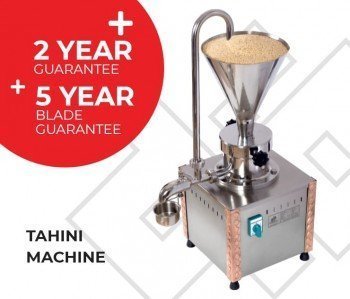
 Tahini Machine
 Peanut Butter Machine
 Peanut Butter Machine (Gold Color)
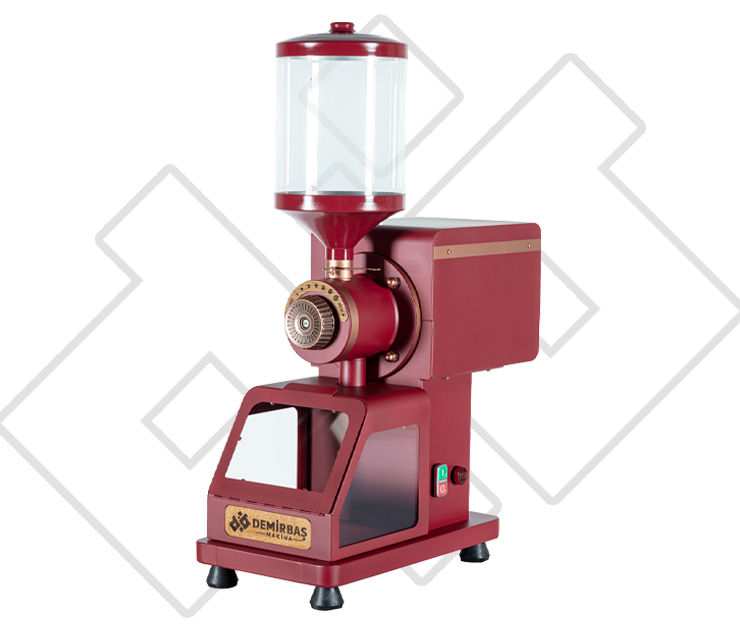 Coffee Grinder
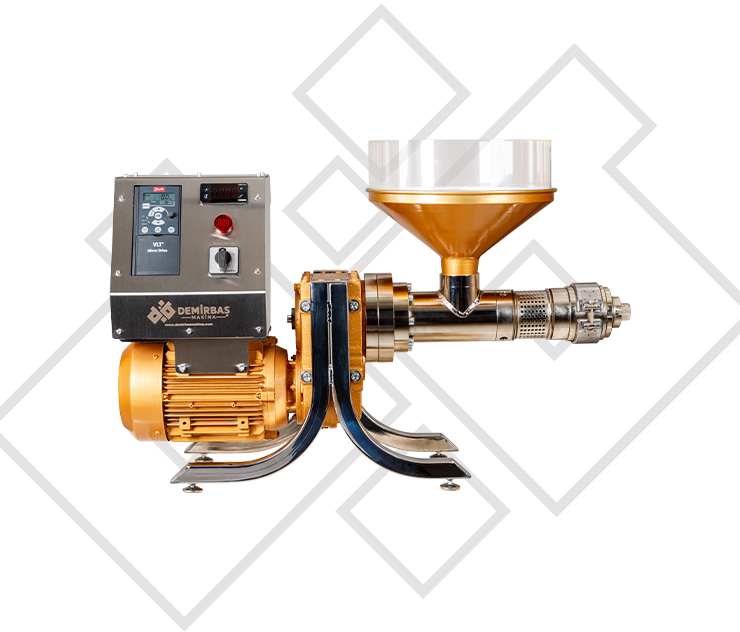 Cold Oil Press Machine
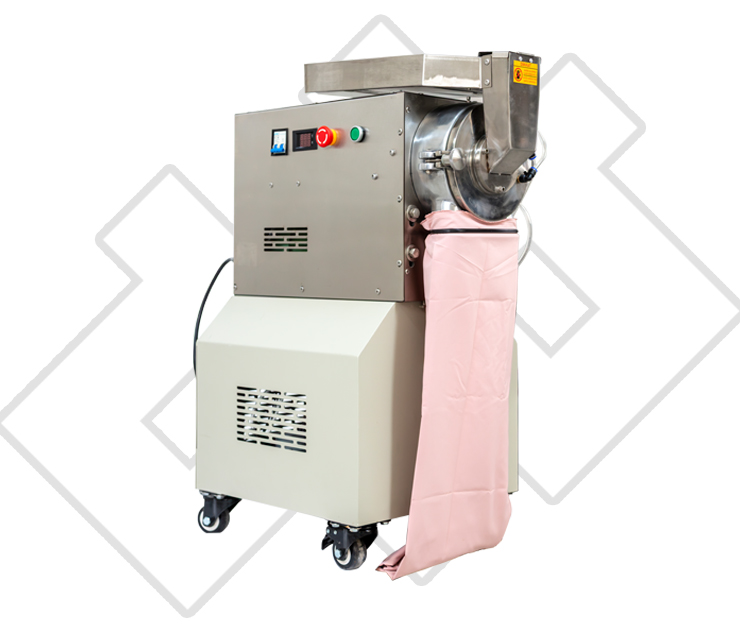 Spice Grinding
 Two Gradual Tahini Mill
 Small Sesame Roasting Machine
 Sesame Roasting Machine