

Sesame is a product directly affected by storage conditions due to its natural oils and nutritional components. If sesame seeds are not properly stored after harvest, they can lose their freshness, aroma, and overall quality over time due to environmental factors such as humidity, temperature, air, and light. This is important not only for sesame seeds that will be consumed directly, but also for the raw materials used in processes such as roasting, grinding, and production of tahini.
Storing sesame seeds under the correct conditions helps preserve the product's natural properties, ensures more stable results during processing, and maintains the final product quality. Therefore, when determining sesame storage conditions, it is crucial to protect the product from moisture, high temperatures, air, direct light, and external pollutants.

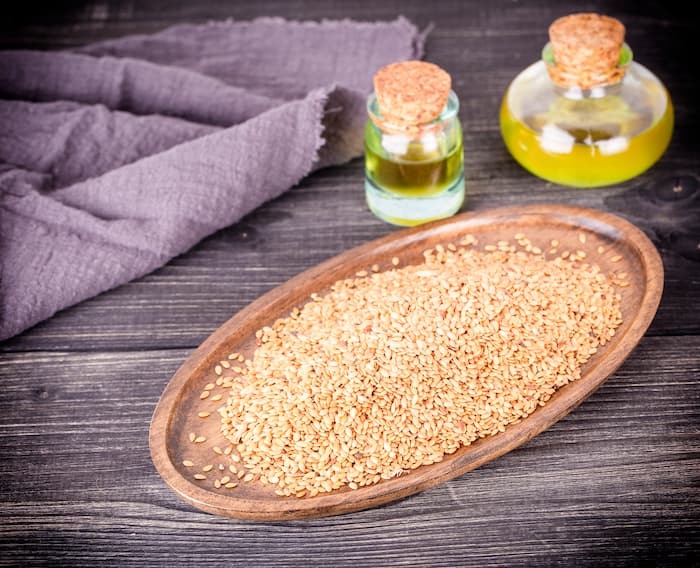
Sesame seeds contain a high percentage of natural oil. This characteristic is an important part of sesame's distinctive taste and nutritional value. Prolonged exposure to air, light, humidity, and high temperatures can negatively affect the aroma and freshness of sesame seeds.
Proper sesame storage conditions also ensure the standardization of raw materials in production. For businesses producing roasted sesame seeds or tahini on a commercial scale, it is particularly important that sesame seeds from different batches have as similar characteristics as possible. Appropriate storage conditions help the raw material maintain its properties until processing.
Sesame seeds should primarily be stored in a cool, dry, clean environment, away from direct sunlight, in suitable packaging or containers that minimize air circulation. Optimal humidity and temperature in the storage environment are crucial for preserving the quality of the sesame seeds.
The best way to store sesame seeds is to avoid excessive heat and humidity. High temperatures can negatively affect the quality of the oils contained in sesame seeds over time. Additionally, keeping the storage area dry helps protect the product from moisture-related quality problems.
In commercial storage, it is important not only to keep the environment cool, but also to maintain conditions as stable as possible. Constantly changing temperature and humidity conditions can affect the storage performance of raw materials in a negative way.
Moisture is one of the adverse environmental conditions affecting the storage quality of sesame. Moisture can alter the physical properties of sesame and increase the risk of unwanted microbial growth. Therefore, the storage area must be dry, and the product should not be exposed to water or high humidity sources.
Direct sunlight exposure is also undesirable for maintaining product quality. Sealed packaging that limits light penetration is the ideal packaging method for storing sesame.
In addition to sealed packaging that limits light penetration, commercial storage environments and containers must also have similar properties to packaging. Especially for long-term or commercial storage, simply sealing the packaging is not enough. It is crucial that the system used also protects the product from moisture, foreign substances, pests, and environmental pollutants.
In industrial production, sesame seeds typically undergo different stages after storage, such as cleaning, roasting, and grinding, depending on the product type. The storage phase is not independent of the production process because the condition of the raw material during storage can affect the performance of subsequent processes and the characteristics of the final product.
To achieve the most consistent results possible in sesame roasting machines, the raw material used in the process must also maintain a certain quality standard. This makes it possible to obtain the desired color, aroma, and product characteristics after roasting.
Sesame seeds taken from the warehouse should be checked before being directly processed into production. Evaluating the product's overall appearance, smell, moisture content, and foreign matter is beneficial for production quality. Suitable raw materials can then be directed to the roasting → grinding → tahini production stages according to the production plan. In this chain, the performance of each stage is affected by the quality of the initial sesame seeds as well as the previous process.
Establishing standard storage practices helps to provide raw materials with more consistent characteristics to roasting and tahini processing lines. Especially in high-capacity production, the continuity of raw material quality is a crucial factor in terms of the controllability of the production process.
The storage performance of sesame seeds does not depend on a single factor. Humidity, temperature, air, light, packaging characteristics, and hygiene conditions must be considered together.
High humidity can negatively affect the quality of sesame seeds. Moisture absorption can lead to changes in the product's physical properties and, under unsuitable conditions, increase the risk of microbial spoilage.
High temperatures are one of the factors that can accelerate quality loss, especially due to the natural oil content of sesame seeds.
Prolonged exposure to air and light can accelerate the oxidation of the oils contained in sesame seeds. This can result in undesirable changes in taste and smell. Sealed packaging and storage areas with limited light help to reduce these effects.
The cleanliness of storage containers is also important in maintaining sesame quality. Using dirty, damp, or unsuitable containers that have previously stored different products can lead to cross-contamination and quality problems.
It is not accurate to give a universally applicable storage period for sesame. How long the product can maintain its quality depends on many variables, including storage conditions, humidity, temperature, packaging method, initial seed quality, and whether the sesame is roasted or unroasted. Therefore, instead of only considering the storage time, it is important to consider both the storage conditions and the current quality status of the product.
Should sesame seeds be refrigerated?
Susamın mutlaka buzdolabında saklanması gerekmez. Serin, kuru, karanlık ve uygun şekilde kapatılmış bir ortam birçok kullanım senaryosu için temel koşulları sağlar. Ancak ortam sıcaklığı, saklama süresi ve ürün miktarına bağlı olarak soğuk depolama tercih edilebilir.
Can sesame seeds go bad?
Yes. Sesame seeds can lose their freshness over time if not stored properly, and their taste and aroma can change undesirably, especially due to the oxidation of their natural oils.
How can you tell if sesame seeds are no longer fresh?
Symptoms such as an unusual or strong odor, a bitter or undesirable taste, changes in appearance, moisture, and mold are indicators that the product has lost quality.
Should roasted and unroasted sesame seeds be stored differently?
Yes. Roasted and raw sesame seeds have different storage requirements because the roasting process alters the physical and chemical properties of sesame seeds.
What type of container is the best for storing sesame seeds?
Clean, dry, food-safe containers that minimize air exchange with the outside environment are ideal for storing sesame seeds.
Does moisture affect sesame seed quality?
Yes. Humidity is one of the factors that directly affects the storage quality of sesame. High humidity can alter the physical properties of the product and increase the risk of microbial growth under unsuitable conditions.
Can improperly stored sesame affect tahini production?
Yes. Since tahini's main ingredient is sesame seeds, variations in the quality of the raw material can affect the production process and the final product.
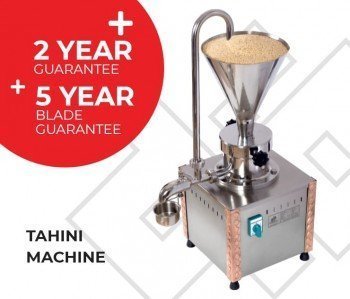
 Tahini Machine
 Peanut Butter Machine
 Peanut Butter Machine (Gold Color)
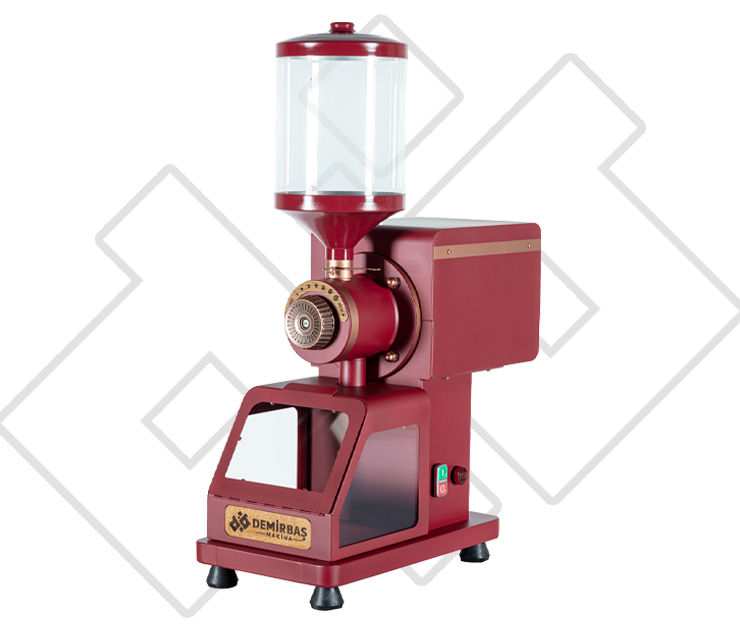 Coffee Grinder
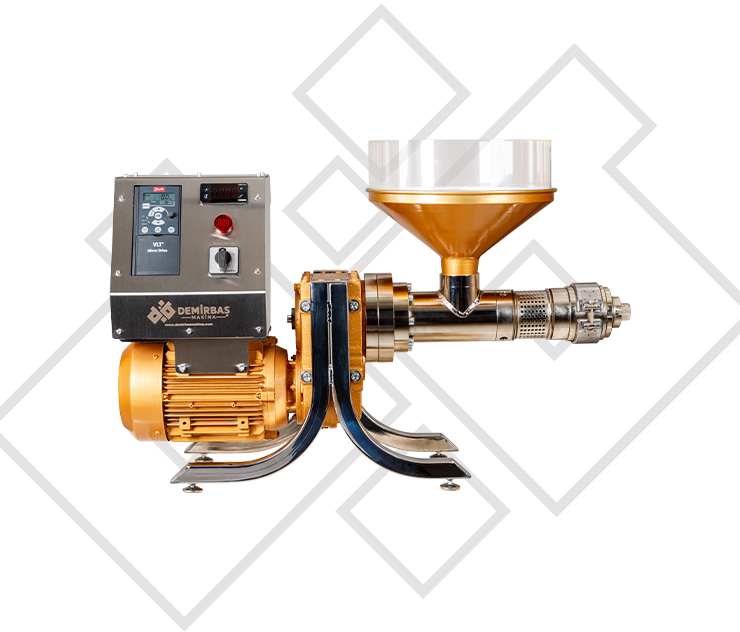 Cold Oil Press Machine
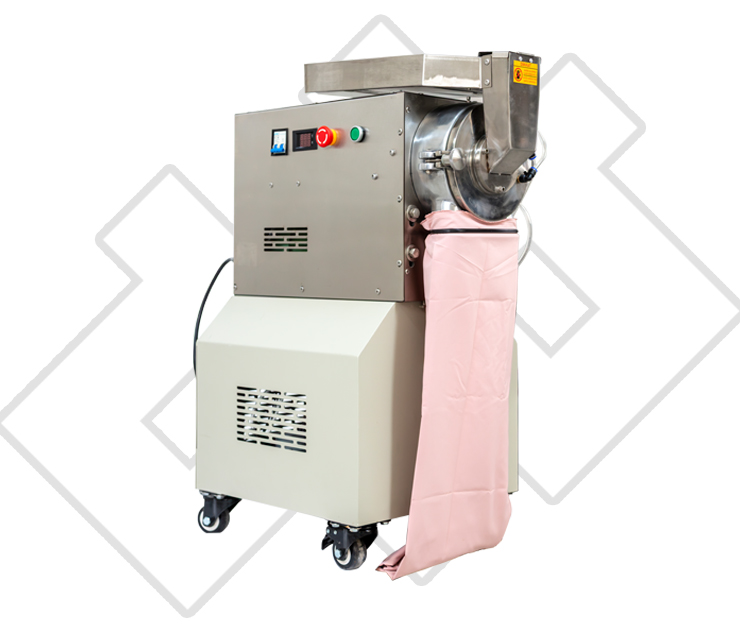 Spice Grinding
 Two Gradual Tahini Mill
 Small Sesame Roasting Machine
 Sesame Roasting Machine