Sesame is one of the important oilseeds used in various food products. Whether the sesame hull is preserved or removed during the production process can affect the appearance, aroma, and texture of the resulting product. Therefore, food producers choose different types of sesame seeds depending on their intended use.
The question "what are unhulled sesame seeds?" refers to sesame seeds that are used without removing their outer shell. This structure preserves the natural appearance of sesame seeds and allows them to be used in different production processes. It can be used in a variety of applications, from bread and baked goods to tahini and sesame oil production.

Whether the sesame husk is preserved or removed can make a significant difference to the production result. In comparing hulled and unhulled sesame seeds, appearance, texture, and flavor are particularly important factors.
Hulled sesame seeds generally have a lighter, creamier or whitish appearance. Removing the outer shell makes the grain appear smoother. This characteristic may be important for producers who want light-colored tahini or a distinctly homogeneous product.
Sesame seeds in their hulls have a darker, more natural appearance. Because the outer layer of the grains is protected, the product's color may be more vibrant. During grinding or pressing, the husk is also incorporated into the production process and can affect the texture of the final product. Therefore, whole sesame seeds are a preferred choice, especially in products where a natural appearance and more pronounced sesame character are desired.
Preserving the husk can also alter the flavor profile of sesame seeds. Hulled sesame seeds can provide a stronger and more pronounced sesame flavor. Unhulled sesame seeds may have a milder and more balanced flavor.
Unhulled sesame seeds can be used for various purposes in food production. Producers can add sesame seeds directly to the product, grind them, or press them to extract the oil. Natural sesame seeds are commonly used, especially in bread, bagels, crackers, and various other baked goods. The seeds are sprinkled on the surface of the product, providing both a visual appeal and a distinct sesame aroma.
Sesame seeds, used as a topping, can be incorporated into bread, hamburger buns, salads, and various snacks. Sesame seeds are also an important ingredient in some sauces and traditional foods.
Yes, unhulled sesame seeds can be used in tahini production. However, the type of sesame used and the processing methods applied affect the characteristics of the resulting tahini.
Hulled sesame seeds are particularly preferred in the production of tahini, which has a lighter color and a smoother texture. Removing the husk helps to obtain a lighter-colored product after grinding.
Hulled sesame seeds also generally have a milder flavor profile. Therefore, businesses that want to produce tahini with a milder flavor can use hulled sesame seeds.
Yes. The roasting process affects the aroma, color, and overall flavor profile of sesame seeds. Higher temperatures or longer roasting times can create a more intense roasted flavor.
However, producers should determine the roasting degree according to the intended characteristics of the product. Excessive heat can cause undesirable flavors to develop. Therefore, temperature and time control are important parts of the production process.
Tahini can also be produced using sesame seeds with their hulls on. However, the resulting product may look different from tahini made from hulled sesame seeds. The color may be darker and the tahini's aroma may become more pronounced.
Hulled sesame seeds can also be used in oil production. During the pressing process, sesame seeds are processed under mechanical pressure, and the oil they contain is separated. This is how sesame oil is obtained. Depending on the method used in sesame oil production, sesame seeds can be pre-processed or, under suitable conditions, directly subjected to the pressing process. Whether or not roasting is applied may also vary depending on the properties of the target oil.
Although tahini and sesame oil can be produced from the same raw materials, their production purposes and processes are different.
The main goal in the tahini production process is to grind all the sesame seeds to create a thick paste. As sesame seeds are ground, the oil and solid components remain in the product. The result is a spreadable or fluid sesame paste.
Sesame oil production, however, requires a different approach. The aim is to separate the oil contained in sesame seeds through mechanical pressing. After pressing, the oil is obtained as a separate product, but a distinct solid portion may remain.
The fundamental difference between these two processes is what the final product is. In tahini production, all the sesame seeds are ground into a paste. The oil inside the sesame seeds is separated in oil production.
Appropriate processing equipment is required to transform sesame seeds into different products. Demirbaş Machine offers a variety of machinery options for utilizing sesame and similar raw materials in different production processes. Cold oil press machines can be used in the pressing process to extract oil from oilseeds such as sesame. This system could be considered for businesses focused on oil production.
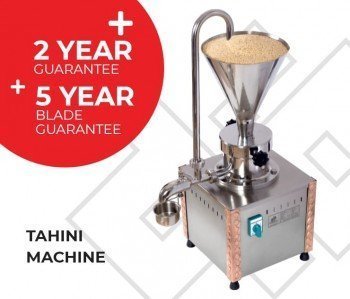
A tahini machine is used to grind sesame seeds until they reach the consistency of tahini. It can be adapted to different production needs depending on production capacity and the targeted product structure.
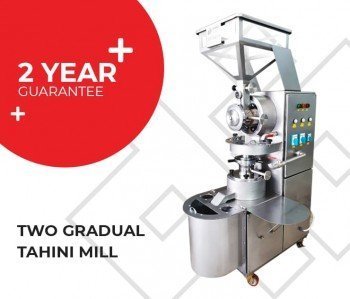
Two Gradual Tahini Mill uses a gradual milling approach in tahini production. It helps the sesame seeds reach the desired texture by ensuring a controlled grinding process.
A sesame roasting machine can be used to roast sesame seeds before processing them into tahini or other sesame products. Controlled roasting procedures significantly influence the aroma and color of the final product.
The Small Sesame Roasting Machine can be considered for businesses that require lower production capacity. Especially in small-scale production, choosing a roasting system with appropriate capacity can prevent unnecessary energy and space consumption. Each of these machines serves a different stage of production. Thus, the process can be thought of as follows: Unhulled Sesame → Different Processing Methods → Tahini / Sesame Oil → Demirbaş Machine. The process, which begins with raw material selection, results in different products such as tahini or sesame oil, depending on the processing method applied.
These are sesame seeds used without removing the hulls. Because their outer shells are preserved, they may have a more natural and distinctive appearance.
The main difference is whether or not the outer shell of the sesame seed is preserved. Hulled sesame seeds may offer a darker color and a more pronounced aroma, while unhulled sesame seeds may have a lighter color and a milder profile.
It can be used as a topping for bread and bakery products, in various sauces, traditional foods, in tahini production, and in sesame oil production.
Yes. Tahini can be produced by grinding sesame seeds with their hulls on. However, the resulting tahini may have a different color, aroma, and texture than tahini made from hulled sesame seeds.
Yes. With the right equipment and production conditions, sesame oil can be obtained by mechanically pressing the seeds. The method to be used should be determined according to the desired oil properties.
Roasting is not required for every process. Whether or not roasting is used in tahini or oil production depends on the characteristics of the target product and the preferred production method.
Sesame seeds should be stored in a cool, dry place, away from direct sunlight, in suitable packaging that restricts air and moisture entry.
 Tahini Machine
 Peanut Butter Machine
 Peanut Butter Machine (Gold Color)
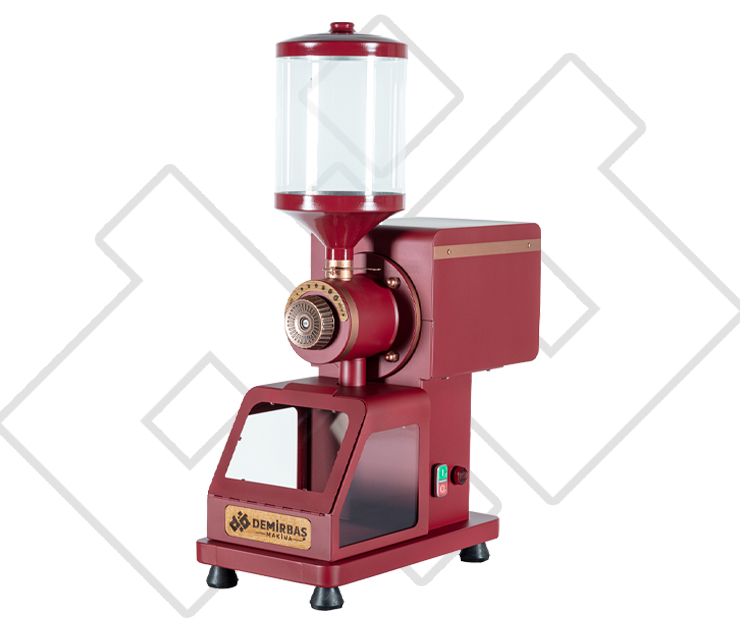 Coffee Grinder
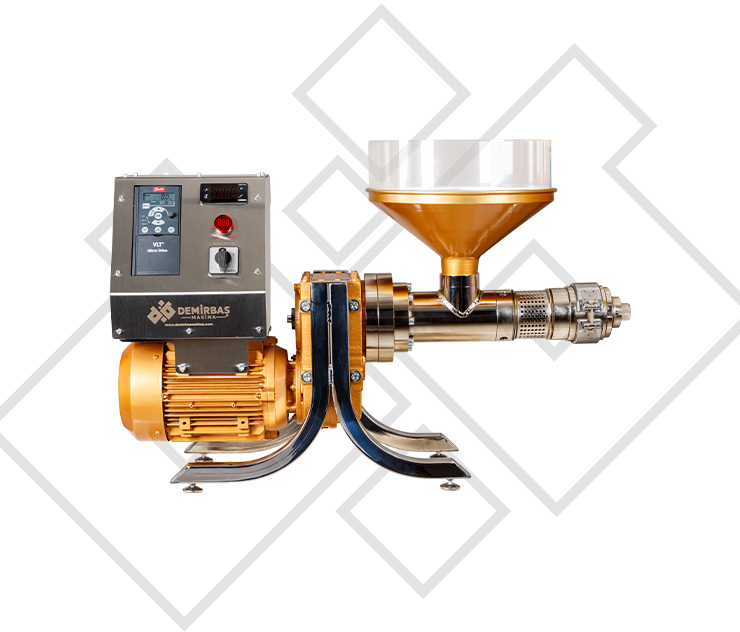 Cold Oil Press Machine
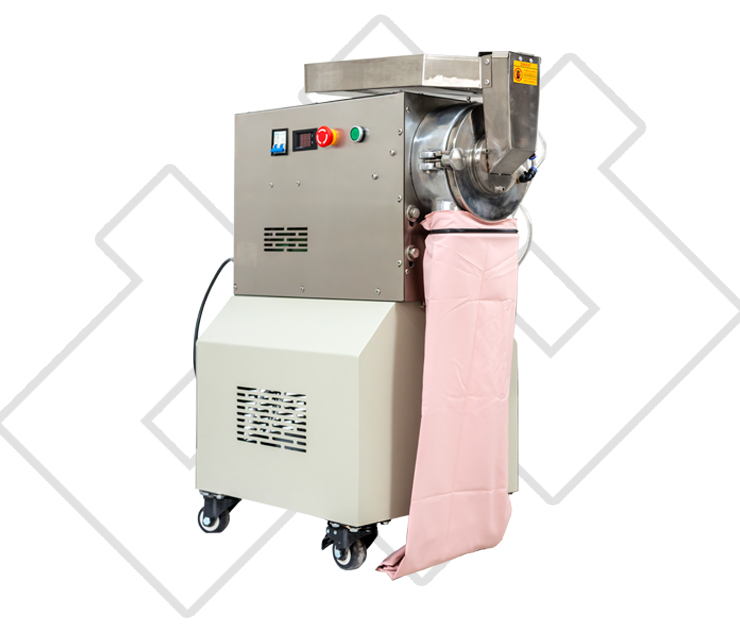 Spice Grinding
 Two-Stage Tahini Mill
 Small Sesame Roasting Machine
 Sesame Roasting Machine