


Choosing the right raw materials for cold-pressed oil production is an important decision in terms of production efficiency, product variety, and the target market of the business. However, there is no single option that applies to every business when it comes to the best seeds for oil production.
The oil yield of a seed, supply conditions, cost, physical properties, and market demand for the resulting oil are all interrelated. Therefore, when selecting seeds for cold-pressed oil, one should consider not only which seeds can produce oil, but also how well the raw material aligns with the company's production capacity and commercial objectives. Sesame, flaxseed, black cumin, pumpkin seed, and chia are among the main options that can be considered for commercial production.
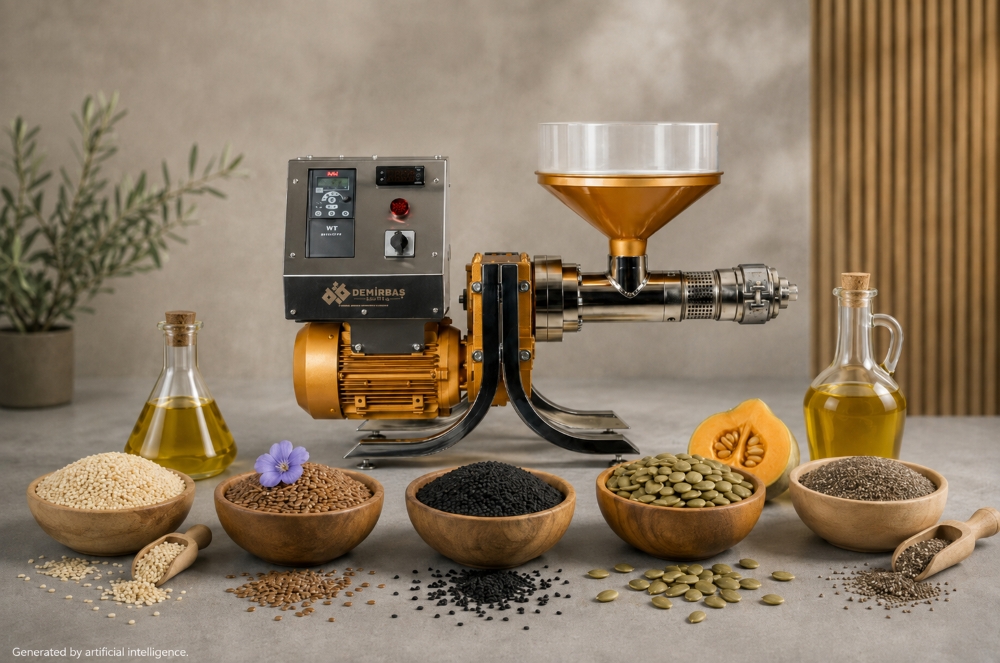
When evaluating seeds suitable for cold pressing, oil content is an important but not the only criterion. Hardness, size, moisture content, cleanliness, and homogeneity can all affect the pressing process. Proper storage and removal of foreign matter from the raw material before production are also crucial for a stable production process.
Businesses must consider regular access to raw materials, purchase costs, and the position of the resulting oil in the target market. In other words, choosing the best oilseeds for cold pressing requires a combined assessment of technical suitability and commercial requirements.
Different seeds offer producers different market and product development opportunities. Businesses can evaluate the following oilseeds according to their production objectives.
Sesame is one of the preferred and well-known raw materials for oil production. The characteristics and supply conditions of different sesame types should be considered in production decisions. Sesame is an option that can be considered for businesses planning regular production due to its wide range of uses.
Flaxseed offers an alternative, especially for businesses looking to produce specialized products for specific consumer groups. Businesses planning to produce flaxseed oil should consider raw material quality, storage conditions, and target sales channels when developing their production plans.
Black cumin seeds are among the raw materials used to produce more specialized oils. Therefore, black cumin oil production is more suitable for businesses that want to reach a specific target market rather than large-scale standard production. Raw material cost and supply continuity are important in production planning.
Businesses prefer pumpkin seeds for the production of specialized oils. To produce oil from these seeds, businesses primarily consider technical suitability due to raw material costs and the target product's position in the market. . Potential sales price and target customer base are decisive factors in starting this type of production.
Chia seeds are among the raw materials that can be used for oil production targeting a more niche consumer market. Therefore, businesses should conduct much more careful and rigorous R&D studies before starting production with chia seeds.
Accurate prediction of raw material supply time, marketing power, and sales potential are crucial data for cold press oil production. By correctly analyzing this data, businesses can select the most suitable and best seeds for their needs.
The amount of oil that can be obtained from seeds is directly proportional to the quality of the raw material. However, to obtain maximum yield from seeds, it is not enough for the raw material to be of high quality. In addition to the raw material quality, the equipment, especially the oil press machines, must also be of high quality.
The types of oils that businesses produce determine their target markets. Some oil products are suitable for general use, while others are more specialized. Although specialized products may have smaller market sizes, they can be easier to reach potential customers. This is because, as in many areas, competition is lower in the specialized oil market.
Continuous production requires a regular supply of raw materials. Seasonal price fluctuations, supply distance, and quality differences can affect the total production cost. It is a common fact that agricultural products may be slightly cheaper during harvest months than during non-harvest months.
Businesses should consider both machinery and capacity selection along with the raw materials to be processed. They should choose equipment with the correct capacity by calculating the planned daily production quantity, the types of seeds to be used, and the amount of raw materials that can be obtained within a year.
A properly designed cold press machine can enable the processing of different oilseeds. For example, systems such as inverter speed control, which helps adjust working conditions according to the properties of different raw materials, give businesses the opportunity to produce multiple types of oil.
The hardness of seeds can vary from producer to producer or depending on the seed type. Many factors, such as harvest time and storage conditions, can affect the hardness of the product. This hardness necessitates hardness adjustments in production equipment, especially in press machines.
Oil producers should not assume that a single operating setting is suitable for all raw materials. The ability to adjust the machine's operating parameters according to the seed's characteristics can allow for more controlled switching between different raw materials.
The ability to process multiple seeds provides businesses with the flexibility to diversify their product portfolio. Producers can focus on different types of oil depending on market demand or raw material availability. This reduces dependence on a single product category and allows them to utilize their existing production infrastructure for different product plans.
The initial seed selection should be appropriate to the business's target market, raw material sources, and production capacity. The key assessment can be summarized as follows:
|
Seed |
Key Consideration |
|
Sesame |
Established oil usage area |
|
Flax |
Niche product positioning |
|
Black cumin |
Special oil market |
|
Pumpkin Seed |
Special oil |
|
Chia |
Niche market |
This comparison does not automatically make any one seed the “most profitable” option. Profitability depends on variables such as raw material price, yield, selling price, target market, production capacity, and operating costs.
When selecting seeds for oil production, businesses should consider the continuity of product supply, the production capacity of their equipment, and market opportunities.
If the machine has the appropriate technical specifications, it can produce oil from different seeds. However, since the seeds have different hardness and other physical properties, the operating conditions may need to be adjusted according to the raw material.
Oilseeds such as sesame, flax, black cumin, pumpkin seeds, and chia are suitable for commercial production.
Yes. The hardness and physical structure of the seeds can affect the pressing conditions.
 Tahini Machine
 Peanut Butter Machine
 Peanut Butter Machine (Gold Color)
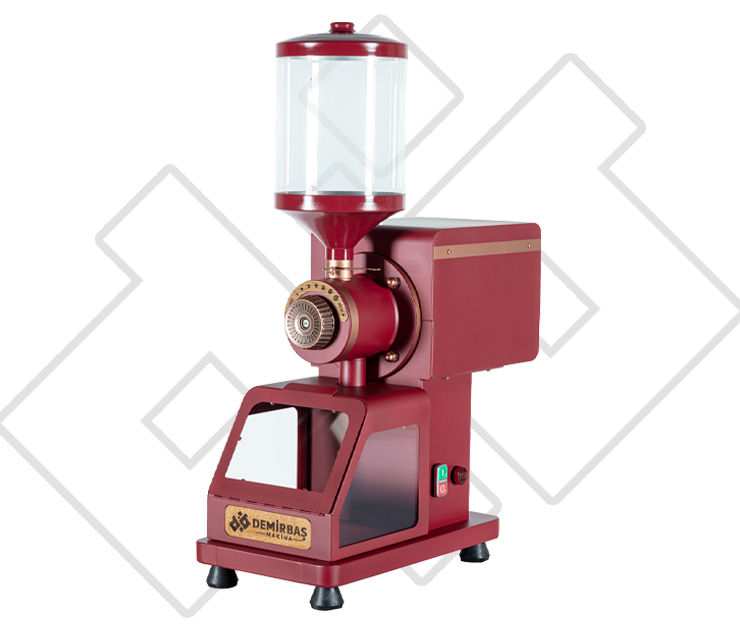 Coffee Grinder
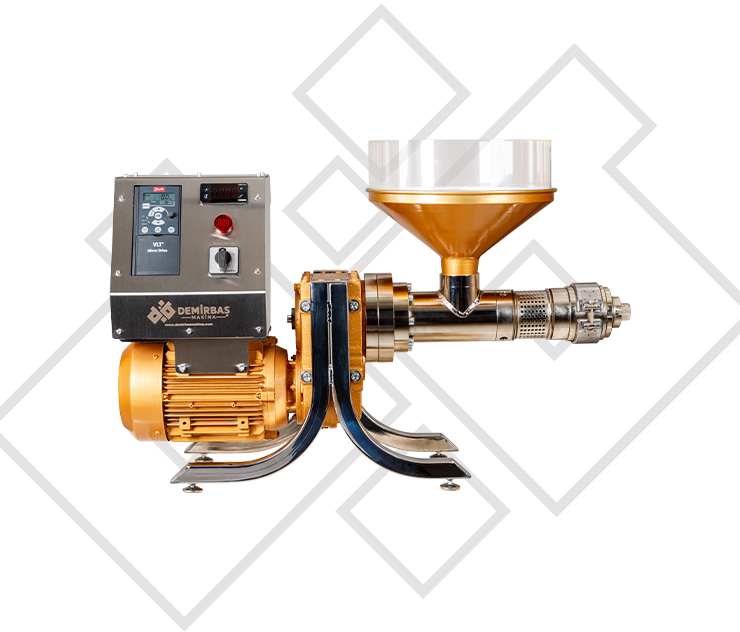 Cold Oil Press Machine
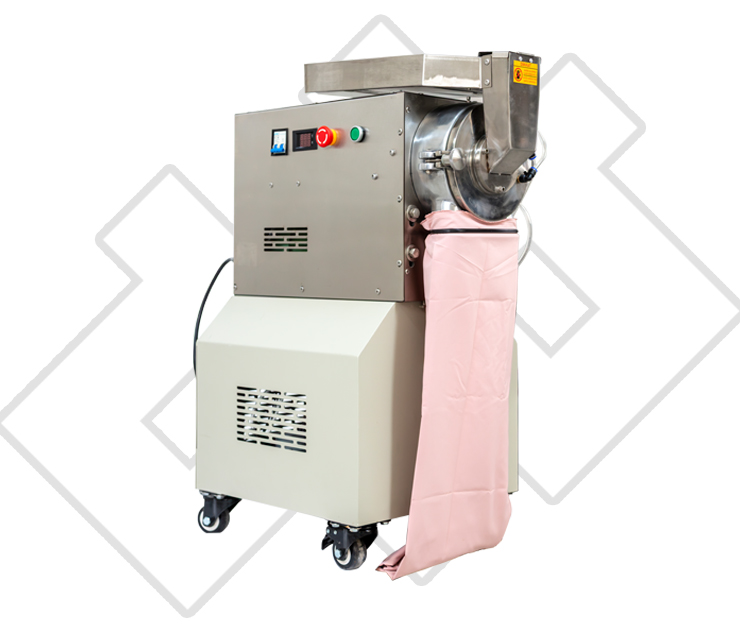 Spice Grinding
 Two Gradual Tahini Mill
 Small Sesame Roasting Machine
 Sesame Roasting Machine