


The flavor of coffee isn't only determined by the quality of the beans, but also many factors influence the final result in the cup such as roasting degree, brewing method, water temperature, and brewing time. However, the grinding process is one of the most important stages where these factors come together. This directly affects the extraction process and helps to reveal the coffee's flavor more clearly.
Choosing the right equipment is especially important for businesses that prepare in high quantity of coffee. Industrial systems help make the grinding process more controlled and ensure consistent results in every batch. This provides coffee grinding consistency in the taste while also making the production process more efficient.
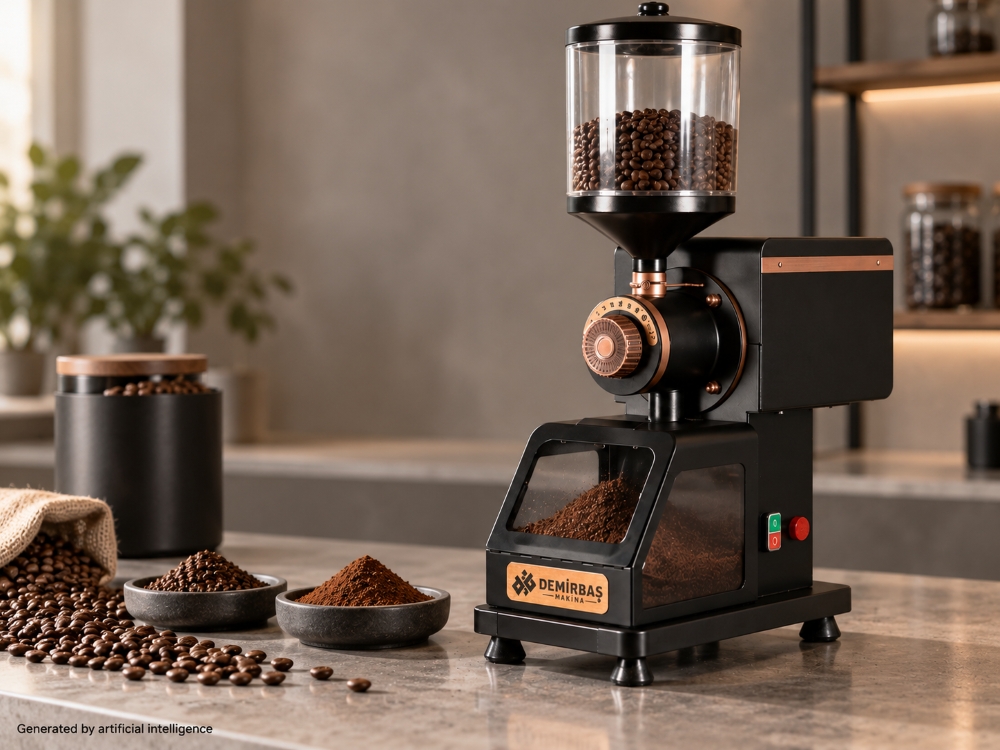
Grind size determines the surface area of the coffee bean that comes into contact with water. As the particles get smaller, the total surface area increases and water reaches easier to the soluble components in the coffee. The contact area of the water decreases in larger particles.
Finely ground coffee comes into contact with water over a larger surface area. This structure offers an advantage, especially in brewing methods that are completed quickly, such as espresso. However, grinding too finely can slow the passage of water through the coffee and potentially cause more components to dissolve than desired.
A coarser grind allows water to pass more easily through the particles. This feature is important for methods that require longer brewing times, such as the French press. Excessively coarse grinding can lead to inadequate extraction. In this case, the coffee may have a weaker, more sour, or watery character.
The goal of the coffee grinding process is not simply to reduce the size of the beans. The proper size helps the water absorb the right amount of flavor and dissolved substances from the coffee. Therefore, the choice of coffee grind size has a direct impact on the flavor in your cup. Extraction problems can arise if a balance is not struck between the grind size and the brewing time.
Choosing the correct grinding size is important, but it's equally crucial that the particles are of similar sizes. Consistent grinding provides more predictable results, especially for commercial operations.
If particles of very different sizes are formed during grinding, the water will not interact with each particle in the same way. Smaller particles are extracted faster, while larger particles react more slowly. This difference can result in both over- and under-extraction from the same coffee bed. As a result, instead of a balanced aroma in the cup, a complex and irregular taste profile may develop.
As the particle size decreases, it becomes easier for water to reach the components inside the coffee. In larger particles, it may take longer for the water to absorb the same amount of dissolved substance.
In high-volume production environments, the grinding process must consistently deliver the same quality. At this point, an industrial coffee grinder can offer a more controlled and repeatable grinding process. The powerful motor, efficient grinding mechanism, and precise adjustment options help maintain a more balanced particle distribution.
When choosing a commercial coffee grinder, it's not enough to just look at motor power. The precision, capacity, adjustment system, and long-term performance of the grinding mechanism should also be evaluated. These features help maintain accurate results based on the company's daily production volume.
The proper functioning of the grinder does not only depend on decisions made during the initial purchase phase. Regular maintenance and proper use are essential to maintain similar performance over time.
Coffee residue can affect the performance of the grinder mechanism. Oil and fine coffee particles can accumulate over time, especially on heavily used equipment. Regular cleaning helps keep these buildups under control. A clean grinding mechanism helps the coffee particles move more evenly.
Changing the grinding setting affects the particle size and the extraction process. Therefore, businesses should determine the appropriate setting for a particular brewing method and avoid unnecessary changes.
When choosing a coffee grinder machine, the business's production volume, the types of coffee used, and the brewing methods should all be considered together. The technical specifications of the equipment should match everyday needs.
Capacity is a key criterion for busy enterprises. Businesses that grind large quantities of coffee may need larger hoppers and faster processing capabilities. However, when evaluating capacity, the physical dimensions of the equipment and its intended use should also be taken into consideration.
Engine power plays a significant role, especially during prolonged use. Sufficient power can help the grinding process proceed more steadily. However, high engine power alone does not guarantee good results. The design of the grinding mechanism and its overall operating system also determine performance.
Different brewing methods require different grinding levels. Therefore, the adjustable grinding system makes it easy to adapt to different applications such as espresso, filter coffee, or French press. Thanks to the precise adjustment options, you can change your coffee grind more controllably.
Yes. Grind size changes the contact between the water and the coffee and the extraction speed. This change can directly affect the balance of coffee flavor, body, and taste.
The consistent particle size ensures a more balanced contact between the water and the coffee. This reduces the risk of over- or under-extraction and results in a more stable taste in the coffee grind consistency.
Fine grinding can slow down the passage of water through the coffee and improve extraction. This can cause the coffee to have a bitter or overly intense taste.
Using a very coarse grind can lead to inadequate extraction, especially with short brewing times. In this case, the coffee may have a weaker or more sour taste.
Smaller particles interact with water more quickly because they offer a larger surface area. Larger particles are extracted more slowly. Therefore, the grinding level should be compatible with the brewing time.
Particles of different sizes are not extracted at the same rate. Because smaller particles are extracted faster and larger particles slower, unbalanced flavors can result in the cup of coffee.
 Tahini Machine
 Peanut Butter Machine
 Peanut Butter Machine (Gold Color)
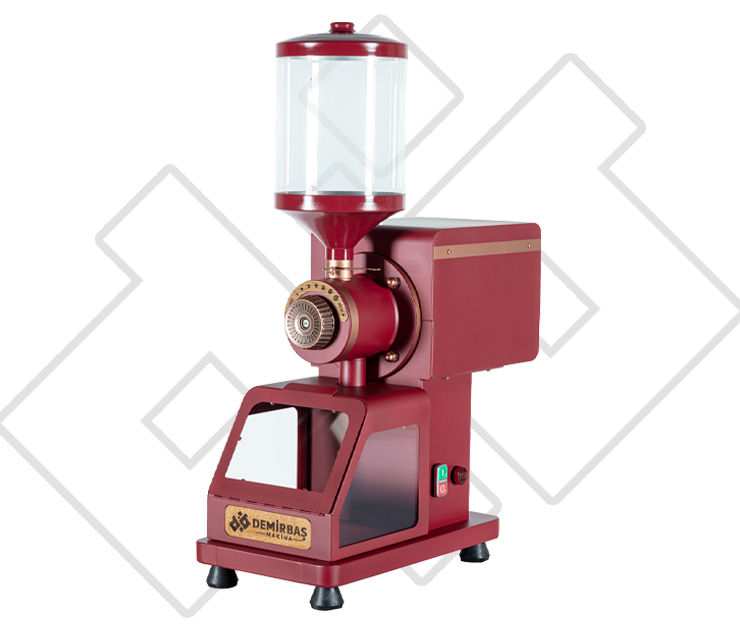 Coffee Grinder
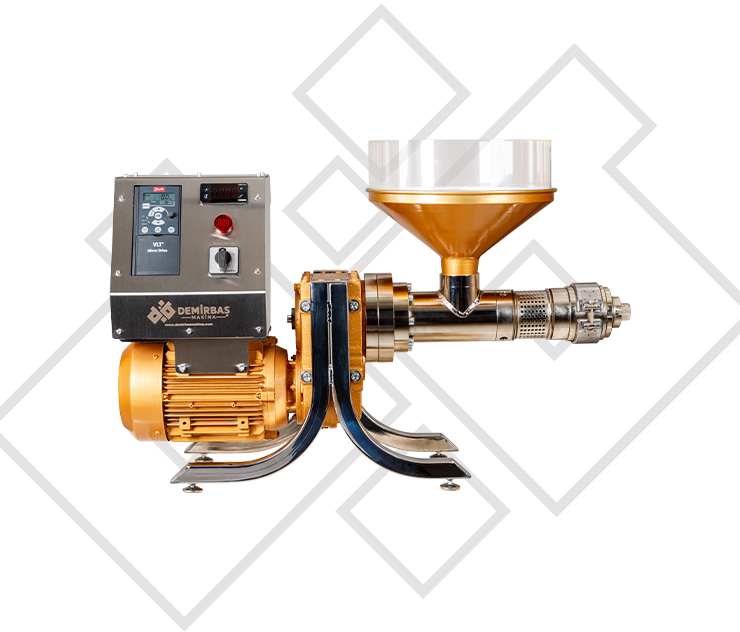 Cold Oil Press Machine
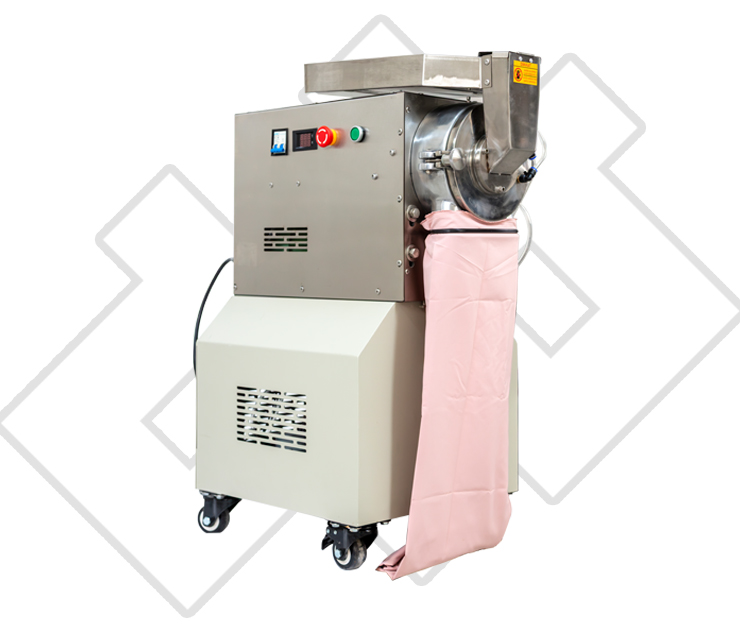 Spice Grinding
 Two Gradual Tahini Mill
 Small Sesame Roasting Machine
 Sesame Roasting Machine