


Choosing the right machine for peanut butter production isn't simply about speed. Several factors are crucial, including grinding performance, product consistency, motor specifications, machine size, ease of cleaning, and after-sales support. For commercial producers, selecting the right peanut butter machine helps ensure a more efficient and sustainable production process.
The needs of a small retail shop are not the same as those of a high-volume production business. Therefore, before purchasing a peanut butter making machine, it is necessary to consider not only the current production quantity but also the future capacity requirements.
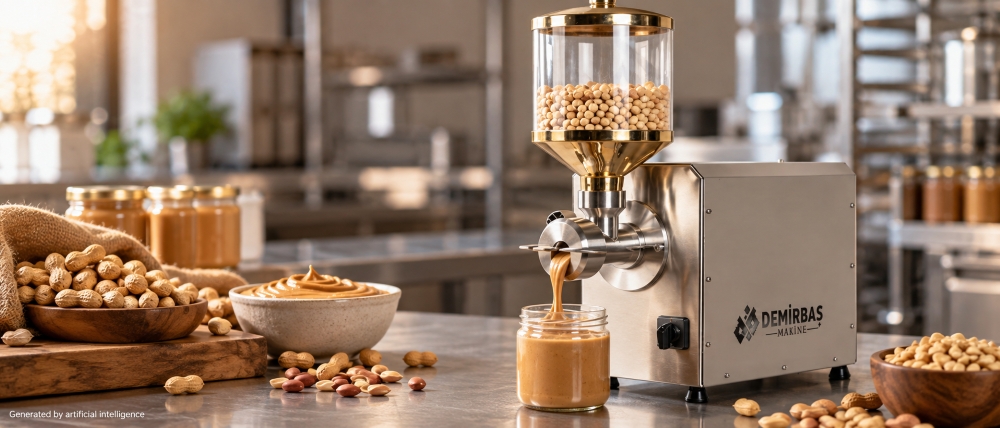
One of the first features to consider when choosing a machine is its production capacity. Capacity refers to the quantity of product the machine can process within a specific time. However, it should be remembered that the capacity stated in the catalog may vary depending on factors such as raw material type, roasting level, desired consistency, and operating setup under real production conditions.
Peanut butter machine capacity generally indicates the hourly production quantity. This value is important for understanding whether the business can meet its daily production target. The machine capacity needed by a business that produces during certain hours of the day is not the same as the capacity needed by a business that produces 24 hours a day. the focus should be not only on the machine's maximum capacity, but also on the sustainable production amount it can provide under normal operating conditions.
A machine with insufficient capacity can prolong production times and may be inadequate during peak periods. Conversely, a model with excessive capacity can increase investment costs as well as space and energy requirements. When choosing a commercial peanut butter machine, businesses should consider their current daily production volume, operating hours, demand during peak periods, and planned future production increases.
The recipe for peanut butter is one of the characteristics that directly affects the consumer's product experience. Therefore, it is important that the machine not only grinds the product but also helps maintain a similar consistency between productions.
A good grinding system should ensure that the raw material is processed as evenly as possible. When commenting on the machine, you should examine the structure of the grinding mechanism, its adjustability, and its performance under different production conditions.
The adjustable grinding system allows the producer to have more control over the consistency of the product. The ability to change the grinding range allows for appropriate settings for different recipes or product types. When choosing a nut butter machine, you can also consider the ease of use of the adjustment mechanism and the ability to reapply the same setting in different production batches.
Businesses have different target production capacities. While some products may prefer a smooth and homogeneous texture, others may aim for a textured texture with more defined particles. Therefore, it should be checked whether the machine supports different grinding levels. Consistency adjustment is a significant advantage in terms of production flexibility, especially for businesses planning to offer multiple product types.
For any business, a machine capable of processing only peanuts is valuable enough. Producers who want to expand their product portfolio can produce butter from almonds, hazelnuts, cashews, or other oilseeds. However, not every machine is suitable for every raw material. The oil content, hardness, particle size, and preparation method of raw materials can vary. Therefore, the list of products that can be processed, as specified by the manufacturer, should be checked. If a peanut butter machine is to be used for processing different nuts, it is important that the relevant products are compatible with the machine's technical specifications.
The motor is one of the essential components that enables the grinding system to operate. When evaluating motor power, you should pay attention to both a high power rating and its compatibility with the raw material being processed.
The electrical infrastructure should also be checked before purchase. The machine's operating voltage, phase requirements, and electrical connection must be compatible with the existing infrastructure of the facility. Especially for a high-capacity commercial peanut butter machine, knowing the electrical requirements before installation can prevent future infrastructure changes. When evaluating energy consumption, considering motor power and actual production performance together is a more accurate approach.
The dimensions of the machine are a crucial selection criterion, especially for businesses with limited production space. This is because the production area can be designed to accommodate the machine's dimensions. An ergonomic production area, from manufacturing to logistics, can be effective in reducing costs in many ways.
When planning the installation area, it's important to consider the product feeding area in addition to the machine's dimensions. Sufficient space is needed for workers to move comfortably within the production area. Similarly, adequate space is required in the product output section for placing containers, tanks, or other collection equipment. You should also not forget the workspace needed to access different parts of the machine during cleaning and maintenance.
In short, when calculating the installation area for a peanut butter making machine, the machine's own dimensions, as well as the space required for product feeding, product output, operator movement, and cleaning, should be considered together.
In food production machinery, the material of the surfaces that come into contact with the product is a crucial criterion. These surfaces must be made of materials suitable for food production, durable, and easy to clean.
Stainless steel is one of the most commonly preferred materials in food processing equipment due to its durability and ease of cleaning. However, instead of only looking for the "stainless steel" label during purchase, it is important to check which parts are made of stainless steel and, in particular, which materials are used in the parts that come into direct contact with the product.
The design of the hopper, grinding section, product outlet, and other contact surfaces to facilitate cleaning is important for daily operation. Easy accessibility to parts that need to be disassembled can also help reduce cleaning time.
Before making a purchase, a business can prepare a checklist containing the features it needs. This list allows for a systematic review of products from different machine manufacturers. This checklist is crucial for making an objective assessment and purchasing the most suitable machine for the business's needs. It should include many critical features, primarily motor power, operating voltage, machine dimensions, weight, and grinding settings. Additionally, the list should cover the machine's cleaning requirements for daily use, accessibility of parts, and routine maintenance procedures.
Determine the appropriate capacity based on daily production volume and working hours. Also, take future production increases into account.
Yes. Machines with adjustable grinding systems help you achieve smoother or more grainy consistencies.
The required motor power varies depending on the machine's capacity and grinding system. Choose a model compatible with your plant's electrical infrastructure.
Yes. Stainless steel offers advantages in terms of durability, hygiene, and ease of cleaning. Pay particular attention to the material of surfaces that come into contact with food.
Compare production capacity, motor power, voltage, dimensions, weight, grinding settings, materials, cleaning requirements, and the types of products that can be processed.
Spare parts support is crucial for long-term operation. Easy access to parts reduces production losses in the event of malfunctions.
 Tahini Machine
 Peanut Butter Machine
 Peanut Butter Machine (Gold Color)
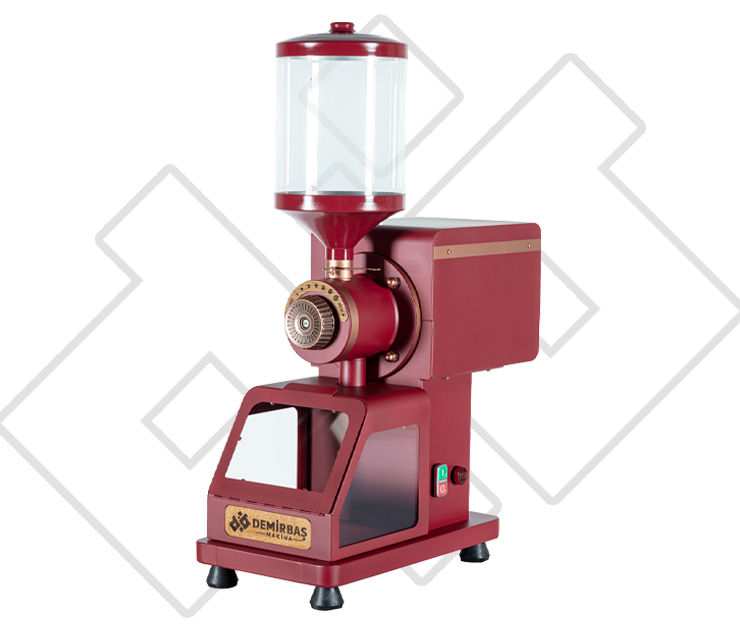 Coffee Grinder
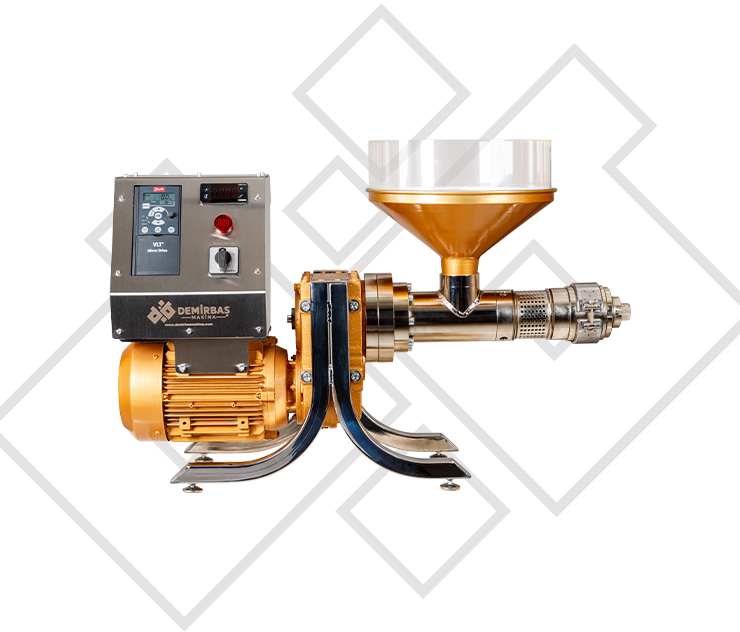 Cold Oil Press Machine
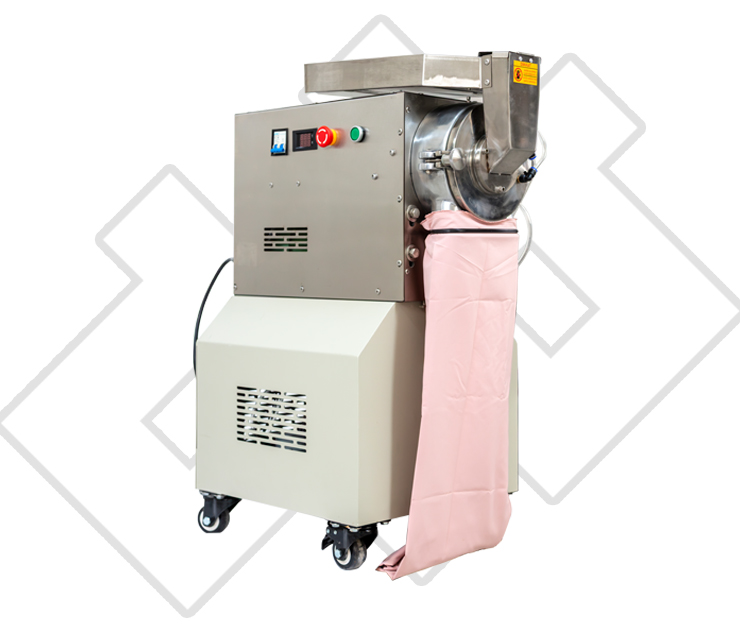 Spice Grinding
 Two Gradual Tahini Mill
 Small Sesame Roasting Machine
 Sesame Roasting Machine