


Peanut butter is a value-added product with commercial value, produced both directly for consumers and for food businesses. However, peanut butter business profitability is not solely dependent on the product's selling price. Many factors, from raw material sourcing and production capacity to equipment used, packaging, and distribution, can directly affect a business's profitability.
Businesses looking to build a profitable peanut butter business should focus not only on increasing sales volume but also on making their production process more efficient. Proper capacity planning, minimizing product losses, and maintaining consistent quality standards can help create a sustainable production model.
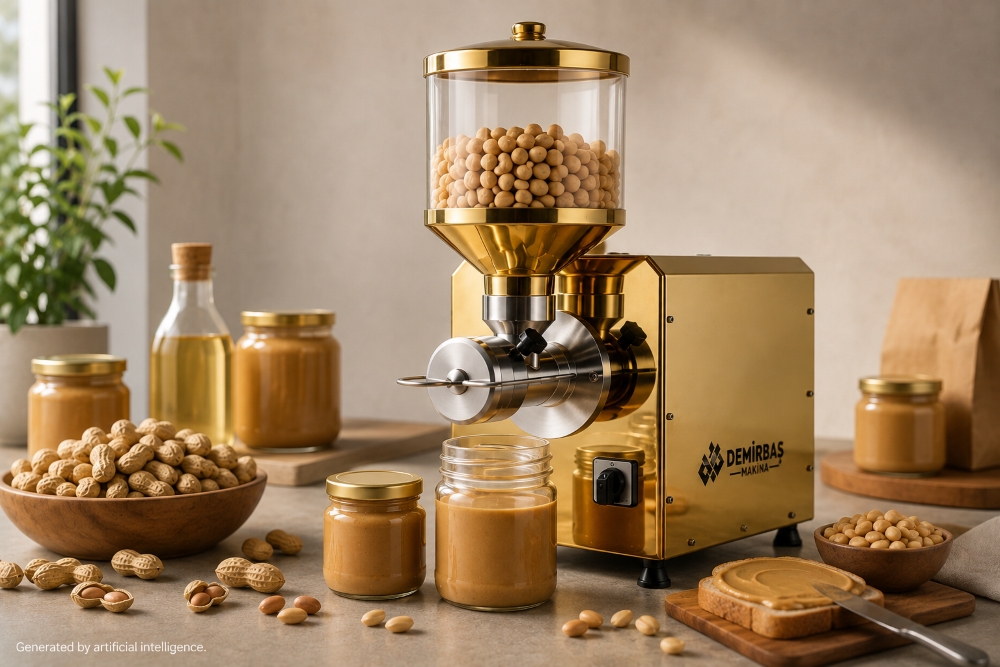
A peanut butter production business can become profitable with proper planning and suitable market conditions. However, it's not accurate to mention about a fixed profit margin applicable to every business. Factors such as production volume, raw material costs, target market, sales channels, and operational efficiency determine the financial performance of the business. For example, setting production capacity far above sales volume can create unnecessary investment and operating costs. Conversely, capacity that is too low to meet demand can lead to missed growth opportunities. Therefore, investment decisions should be based on realistic production and sales targets.
Peanut butter business costs are not solely comprised of peanut costs. The cost of peanuts only represents the raw material for the final product. Total costs encompass various production and operational items.
Peanut prices and quality, production volume, production equipment used, packaging materials, labor, energy consumption, and distribution costs are key cost factors. Maintenance, cleaning, storage, and potential product losses during production also affect peanut butter production costs. It's impossible to give a precise production cost initially because the prices and impact of these variables on the business can change over time. Businesses should conduct cost analyses considering their own production volumes, supply conditions, and operational structures for more accurate results.
Production efficiency can support a company's competitiveness by enabling more controlled and sustainable production with the same resources. Businesses should always consider capacity, product loss, and quality management together.
Businesses should not select production equipment solely based on the highest possible capacity. The company's current sales volume, targeted growth, and daily production needs are all important factors. Equipment with the appropriate capacity can ensure a more balanced and sustainable production process. Correctly chosen equipment can also help control unnecessary energy consumption and operating costs that may arise from excess capacity.
Raw material losses are one of the most significant factors directly affecting product costs. Proper process management during stages such as roasting, grinding, mixing, filling, and equipment cleaning helps reduce unnecessary product losses.
Establishing standard production procedures and using appropriate equipment ensures more efficient utilization of raw materials and can support the control of overall production costs.
Fluctuations in product quality can negatively impact customer satisfaction and repeat purchase rates. Therefore, it is important to maintain consistency, taste, texture, and other product characteristics as consistently as possible across production batches. This is related to sustainable quality management.
Peanut butter profit margin is about a much broader context than simply increasing the selling price. Optimizing raw material usage, producing at appropriate capacity, efficiently managing energy and labor processes, and reducing product losses can support profitability.
Choosing the right packaging options and optimizing distribution processes can also help keep unit costs under control. Businesses can also increase the commercial value of their products through different packaging sizes, product varieties, or different sales channels. Therefore, instead of talking about a fixed peanut butter profit margin or return on investment, a more accurate approach is to regularly analyze the business's own cost and sales structure.
Peanut butter production can become a profitable business model with the right production capacity, controlled cost management, and effective sales methods. However, profitability varies depending on the company's production and market conditions.
The main costs include peanuts, production equipment, packaging, labor, energy, storage, and distribution expenses. Production volume and raw material prices significantly affect the total cost.
To increase its profit margin, the business must reduce production losses, plan its capacity effectively, and optimize raw material usage.
More efficient production can help reduce unnecessary raw material, energy, and labor use.
Appropriate equipment is required for stages such as roasting, grinding, mixing, and filling, depending on the production model.
 Tahini Machine
 Peanut Butter Machine
 Peanut Butter Machine (Gold Color)
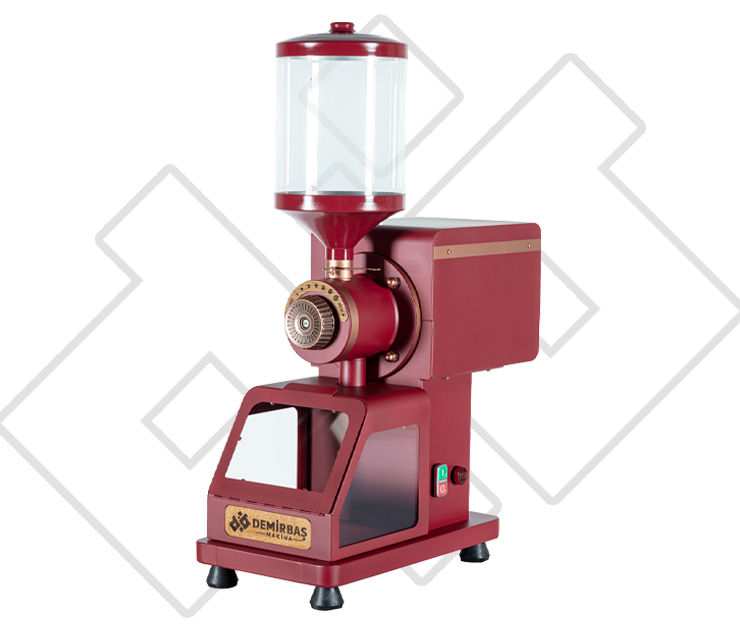 Coffee Grinder
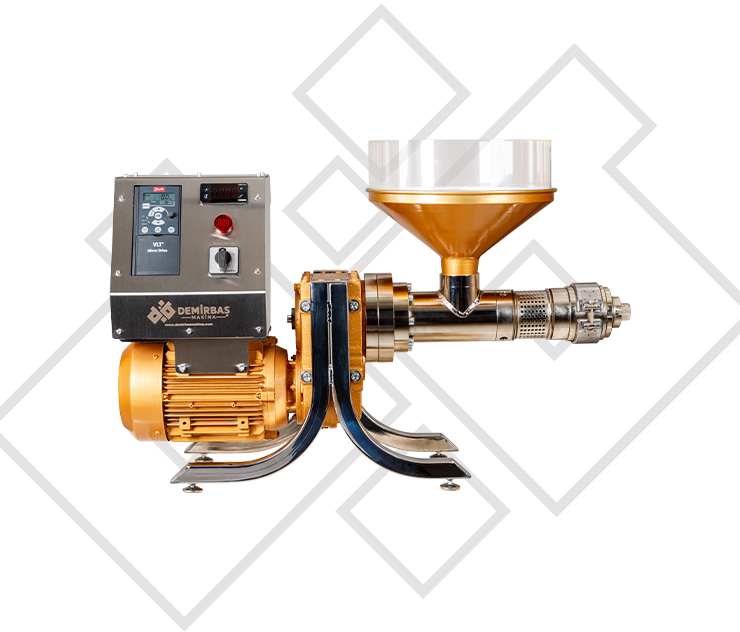 Cold Oil Press Machine
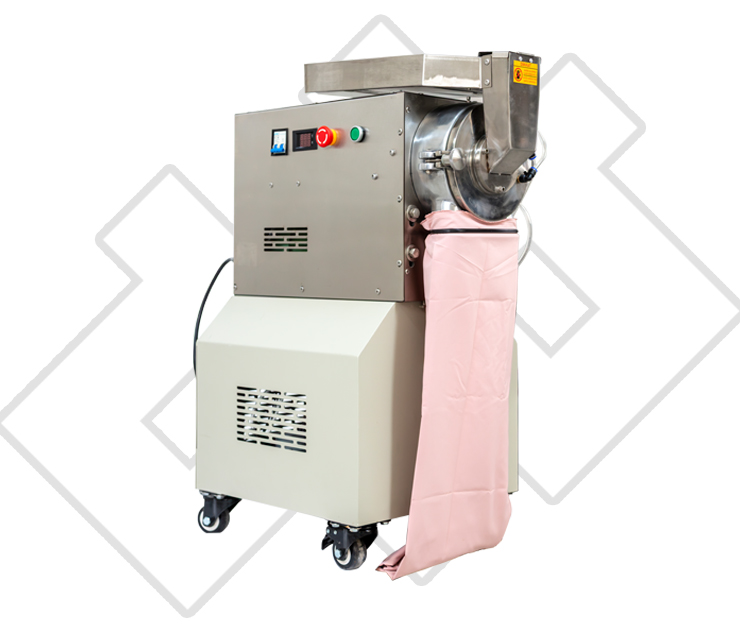 Spice Grinding
 Two Gradual Tahini Mill
 Small Sesame Roasting Machine
 Sesame Roasting Machine