
A nut butter machine allows businesses to prepare different products by processing nuts to the desired consistency. However, when selecting equipment for a small business, focusing solely on the machine's power or capacity is not enough. It is necessary to evaluate the company's actual production needs, its field of operation, and the products.
For entrepreneurs looking to produce peanut butter, almond butter, or other nut butters in a small business, choosing the right equipment is a crucial step. Factors such as production volume, product variety, cleaning time, and ease of use directly affect the efficiency of daily operations. The right equipment not only speeds up the production process but also helps ensure more consistent product quality.
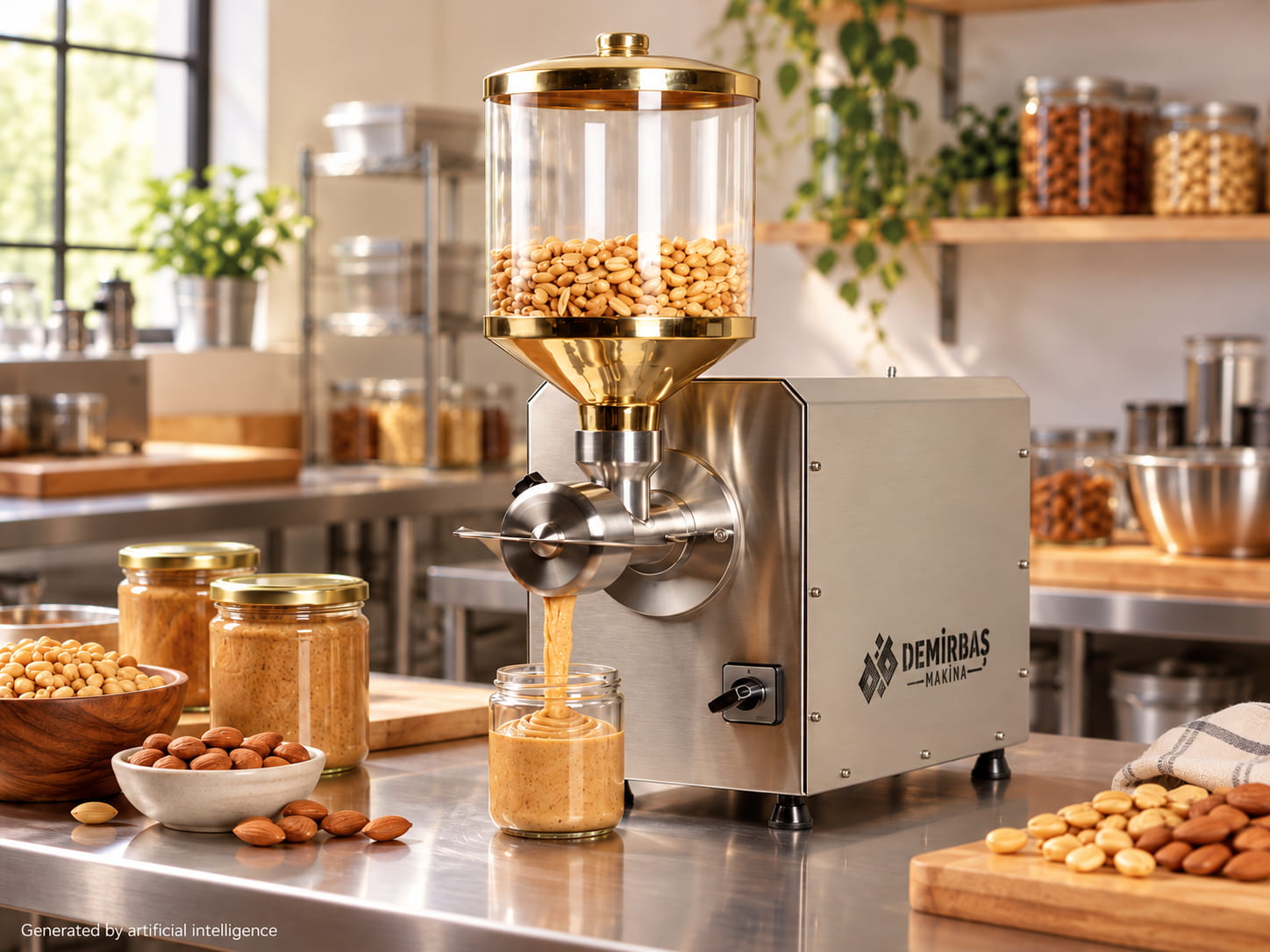
Small businesses typically operate with limited staff, space, and budget. Therefore, the equipment selected must be compatible with the daily workflow. An oversized machine can create unnecessary burden for the business in terms of both space and investment.
Capacity selection should be based on the business's daily demand. It is not always necessary for a startup to immediately invest in a high-volume production model. It is not always necessary for a startup to immediately invest in a high-volume production model. First, daily or weekly sales volume should be estimated, and equipment should be selected accordingly.
A nut butter machine for small businesses should have the capacity to meet the current production volume of the business. The potential for future growth should also be considered. Thus, the business can increase its production quickly without having to replace equipment.
Small businesses can expand their product range by offering customers different options. Different spreads can be prepared with nuts such as peanuts, almonds, cashews, hazelnuts, and the like. In addition, plain, roasted, or enriched products with different ingredients can also be developed. For businesses aiming for product diversification, it is important that equipment is suitable for working with different raw materials. This allows different recipes to be tested and new product ideas to be developed using a single machine.
Employees in small businesses need to use their time efficiently. Complex operating mechanisms can increase production time. Therefore, a model that is easy to use and whose parts are easy to clean should be preferred. Especially in food production, hygiene is a fundamental part of daily operations. Parts that are easy to disassemble and clean make the post-production maintenance process more practical.
The efficient operation of the machine does not depend solely on its technical specifications. The preparation of the nuts, the quantity fed into the machine, and the consistency settings also affect the production result.
Nuts should be inspected before production. The shell, impurity, or unsuitable parts must be removed. The roasting level of the nuts used can also affect the taste and texture of the final product.
Properly preparing the raw materials before production helps the machine run more smoothly. Additionally, using similar quantities and types of nuts in each production makes it easier to maintain product consistency.
The consistency of the spread is important in terms of customer product preferences. Some customers prefer a more fluid product, while others may prefer a thicker, spreadable consistency. Therefore, the appropriate settings must be used during production.
A commercial nut butter machine can offer greater flexibility to a business if it has a system that can be adjusted to the needs of different products. However, experimenting with small quantities and checking the results when changing settings is a safer production approach.
Regular cleaning and maintenance helps maintain equipment performance. Oils and small particles from nuts can accumulate in different parts of the machine over time. Therefore, necessary cleaning procedures should not be delayed after production is complete.
Before cleaning, the machine must be switched off and made safe for use. Parts that can be removed according to the manufacturer's instructions should be separated and cleaned using the appropriate method.
Regular maintenance is just as important as cleanliness. Grinding sections, connections, and moving parts should be inspected at intervals recommended by the manufacturer. Equipment should be checked if any unusual noises, vibrations, or changes in performance are noticed. Regular maintenance helps prevent unexpected downtime and ensures a more stable production schedule. It can also extend the lifespan of the equipment.
Having the right equipment is not enough for a small business to achieve successful production. Determining daily production quantities based on actual demand also helps keep costs under control. Offering a variety of product options is also an important strategy for small businesses. For example, alternatives based on almonds, cashews, or hazelnuts could be developed instead of just classic peanut butter.
Businesses that use a peanut butter machine can apply the same principles. Determining production quantities, preparing raw materials, standardizing cleaning steps, and planning the production sequence of different products simplifies daily operations. Equipment selection and production planning should be considered together for a nut butter business.
Yes. When the right model is chosen to suit the capacity and production needs of the business, it can be a practical production solution for small businesses.
The required capacity depends on the daily sales volume. The company should first determine its average daily production needs and select the appropriate capacity accordingly.
Depending on the model, many nuts can be used, such as peanuts, almonds, cashews, hazelnuts, and the like. The equipment's manufacturer instructions must be carefully checked.
A model with the right features can prepare a variety of products with different types of nuts. Extensive cleaning is important between product changes.
The consistency requirement varies depending on the equipment used. The machine's settings specified by the manufacturer should be used to obtain a more fluid or denser product.
The machine must first be switched off safely, and then any parts that can be removed should be cleaned according to the manufacturer's instructions. Cleaning between different products is also important.
Maintenance intervals vary depending on the model and usage intensity. The manufacturer's maintenance schedule should be followed, and the equipment's performance should be checked regularly during heavy use.
Businesses should evaluate capacity, product variety, ease of use, cleanliness, maintenance, energy consumption, and daily production volume together. It is also important to adjust the production plan according to customer demand.
 Tahini Machine
 Peanut Butter Machine
 Peanut Butter Machine (Gold Color)
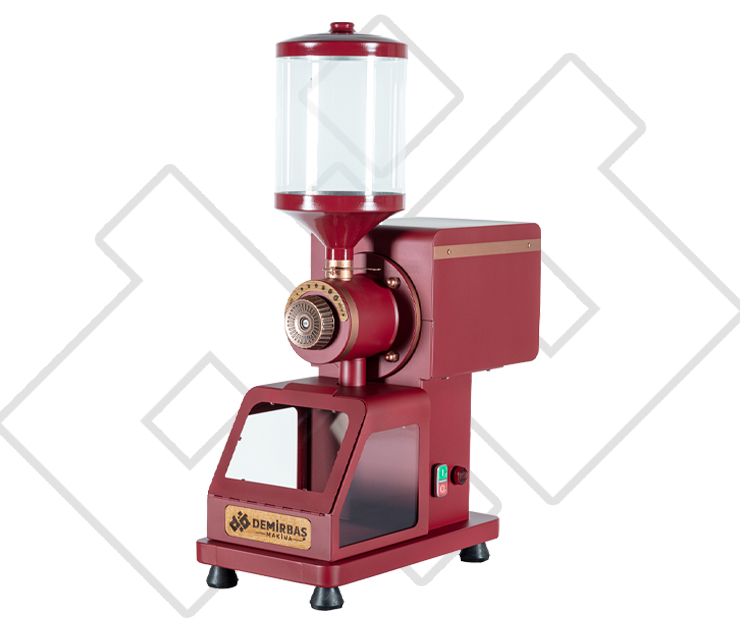 Coffee Grinder
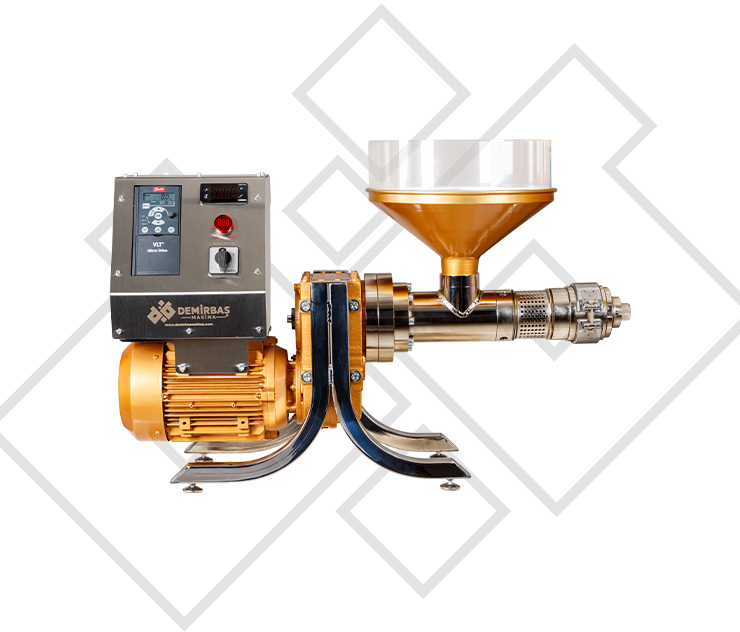 Cold Oil Press Machine
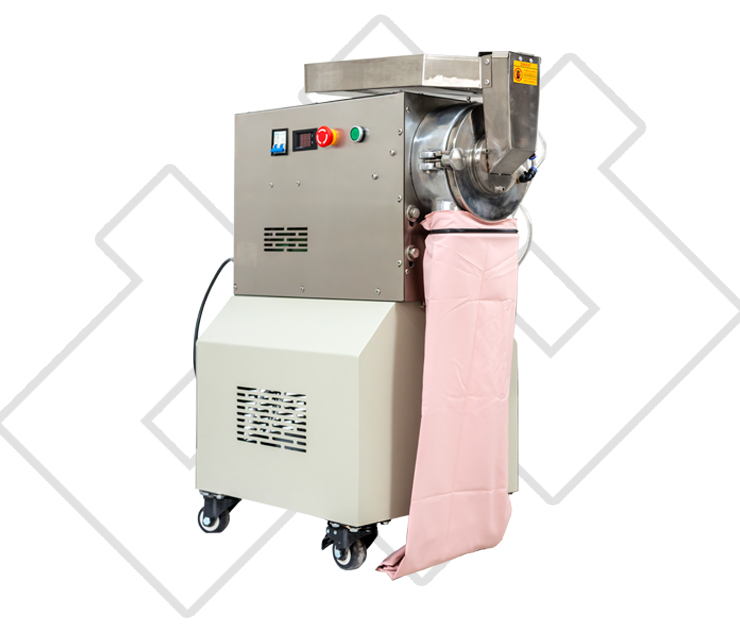 Spice Grinding
 Two Gradual Tahini Mill
 Small Sesame Roasting Machine
 Sesame Roasting Machine